
The journey to a “happily ever after” in Ghana does not begin at the altar; it begins with a knock. Known locally as Kokooko, the Ghanaian Knocking Ceremony is the official introductory rite where the groom’s family formally informs the bride’s family of their intentions. As the very first step of the Ghanaian marriage process, it sets the tone for the relationship between the two families.
In the Ghanaian marriage journey, the Knocking Ceremony (locally known as Kokooko) is the “Introductory Phase.” It is the formal notification to the bride-to-be’s family that a suitor has seen a “flower” in their house and wishes to pluck it.
While it is not the full traditional wedding, it is a legal and spiritual binding step in our culture. Understanding the Ghanaian knocking procedure is essential to starting your union on the right foot.
READ ALSO: Court Wedding in Ghana: 2026 Step-by-Step Guide
Meaning and Purpose of the Knocking
The purpose of the knocking is twofold: Identity and Intention.
- Identity: It allows the groom’s family to introduce themselves and their lineage.
- Intention: It formally signals the groom’s desire to marry the daughter of the house.
Once the “knocking” is accepted, the bride is effectively “off the market,” and the two families begin the process of background checks before the main engagement.
The Ghanaian Knocking Ceremony Procedure and Protocol
The Ghanaian knocking procedure is governed by strict traditional protocols. Usually, the groom does not speak for himself. He is accompanied by a small delegation, led by a spokesperson (Okyeame), his father, or a senior uncle.
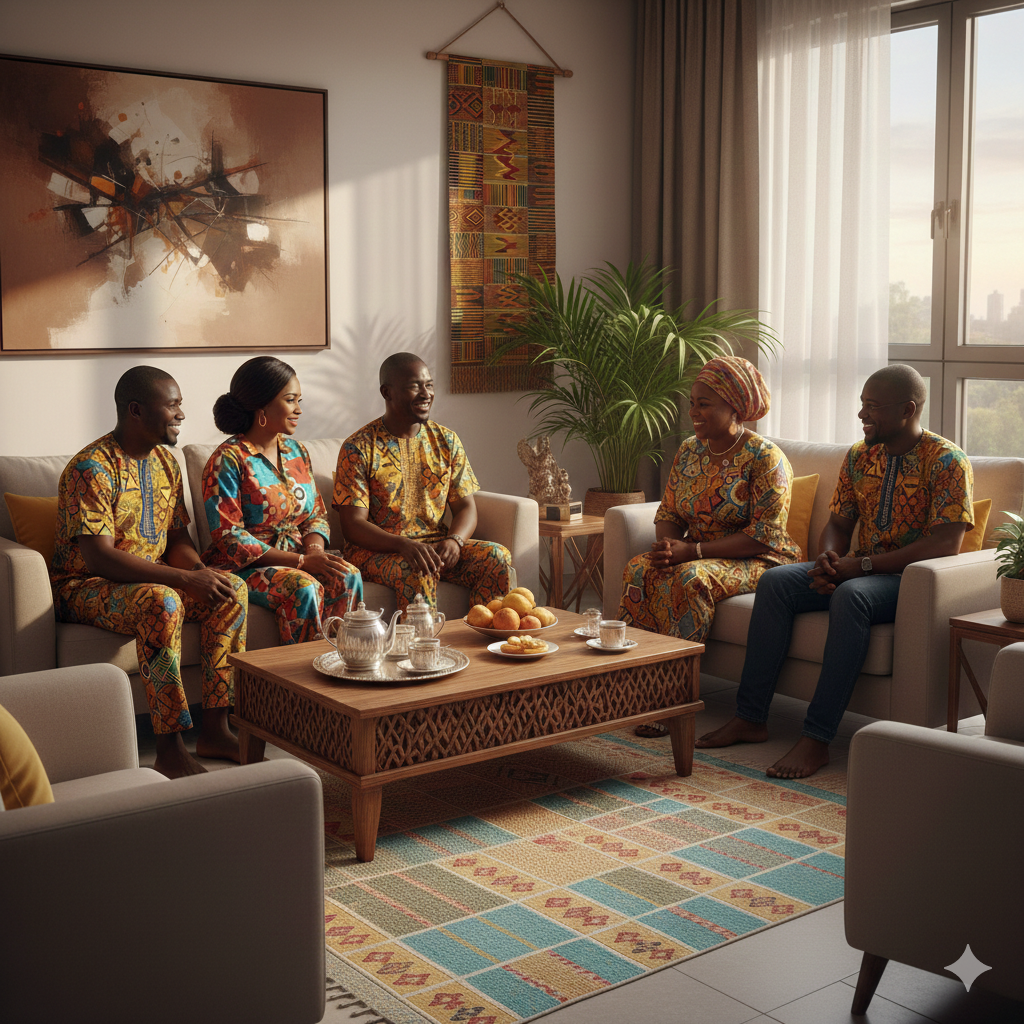
Upon arrival, the groom’s family presents the items needed for knocking. The bride’s family will then ask about the “mission” of the visitors. Once the intent is declared, the bride is called out and asked if she knows the visitors and if the family should accept the gifts. If she agrees, the gifts are accepted, and the families share a drink to signify a successful start to the union.
Items Needed for Knocking: The “Knocking List.”
The items needed for knocking vary slightly depending on the tribe, but the core requirements remain consistent across Ghana. Usually, the groom’s family sends a small delegation to present these items.
While the specific items may vary slightly by region, most tribes follow a similar template. It is important to note that the Ghanaian Knocking Ceremony list is separate from the actual “bride price” or engagement list. The knocking list is intentionally smaller and more symbolic.

General Items Needed for Knocking:
- Schnapps or Gin: Usually two bottles (often referred to as Tri Nsa in Akan traditions).
- Cash (The “Knocking” Fee): A symbolic amount of money given to the father and the family.
- Soft Drinks and Water: To provide refreshment for the gathering.
| Item Category | Typical Requirements (Akan, Ewe, Ga) |
| Alcohol (The “Tri Nsa”) | Two bottles of Schnapps or Gin (Used for libation and to seal the request). |
| The “Knocking Fee” | A symbolic cash amount (ranges from GH₵ 200 to GH₵ 1,000 depending on family status). |
| Gifts for Parents | Small tokens or drinks for the father and mother of the bride. |
Expert Tip: In 2026, many families are becoming more flexible, allowing non-alcoholic substitutes like high-quality sparkling grape juice. However, always check with the specific family elders first!
Tribal Variations for the Ghanaian Knocking Ceremony
- Akan (Asante/Fante): The focus is heavily on the quality of the Schnapps and the eloquence of the spokesperson. You can read more about specific Asante marriage list requirements on our blog.
- Ewe: The items needed for the Ewe knocking ceremony often include a specific number of bottles of local or imported gin and a small “entrance fee” known as the Sodzidi.
- Ga: The Ga ceremony may include “tele-mo” (a presentation of drinks) and a specific monetary gift for the bride’s brothers, often referred to as Akonta Sekan.
Protocol for Families
The Ghanaian knocking procedure is steeped in etiquette. Here is the standard flow:
- The Delegation: The groom does not usually speak for himself. A spokesperson (Okyeame) is appointed to deliver the message with wit and proverbs.
- The Inquiry: The bride’s family will ask, “What is your mission?” (Amannee).
- The Acceptance: If the family accepts the drinks and the cash, they will then hand over the Traditional Marriage List—this is the “shopping list” for the actual engagement.
Remember, the Ghanaian Knocking Ceremony is a time of joy and respect. Ensure your delegation is well-informed of the family’s history to make a lasting first impression. For a deeper dive into specific tribal requirements, check out our guide on the Traditional marriage list for the Asante and Ewe tribes in 2026.
FAQs on Knocking Ceremony in Ghana
Here are the top 10 frequently asked questions about the Knocking Ceremony in Ghana:
1. What is the standard “Knocking List” for 2026?
Families often ask what specific items are required. While it varies by tribe, the basic requirements usually include a bottle of schnapps (for libation/prayers), a crate of soft drinks, and a small amount of money (the “knocking fee”). For a detailed breakdown, check out our guide on the Traditional marriage list for Asante, Ewe, and Fante ceremonies.
2. How much is the “Akonta Sekan” (Brother-in-law’s fee)?
This is a hot topic! The Akonta Sekan is the fee paid to the bride’s brothers. In 2026, the price can vary depending on the family’s expectations, but it is often a symbolic amount plus a crate of beer or a bottle of spirits. It’s best to negotiate this respectfully during the initial meeting.
3. What is the meaning of “Tri Nsa” in Ghanaian marriage?
In the Akan Culture, “Tri Nsa” literally translates to “Head Wine.” It is the most vital part of the knocking and engagement process, as it signifies the legal sealing of the union under customary law. Without the acceptance of the Tri Nsa by the bride’s family, the marriage is not traditionally recognized.
4. Can we combine the Knocking Ceremony and the Engagement on the same day?
The answer is NO. To save on costs and logistics, many modern couples are opting for “all-in-one” ceremonies. While this can be accepted in some families, the Ghanaian Tradition requires a gap between the two. The Knocking Ceremony must happen, followed by the traditional marriage several weeks after. This gives both families enough time to get acquainted with each other. In this period, the couple also gets to know each other more, and if any issues arise, the relationship can be halted before the actual marriage happens.
5. What should the bride and groom wear for a Knocking Ceremony?
Since it is an introductory meeting, the dress code is usually “Smart Traditional.” Most couples opt for Matching Kente outfits or simple but elegant Kente gown designs with illusion necklines. It’s less formal than the main wedding but still requires a touch of “Modern Royalty.”
6. Who exactly is supposed to attend the Knocking Ceremony?
Unlike the main engagement or white wedding, the knocking is usually a small, intimate affair. Traditionally, it includes the groom’s father (or a family head), a spokesperson (Linguist/Okyeame), and a few key elders. On the bride’s side, her father, mother, and paternal/maternal uncles are the primary hosts. While friends are usually not invited to this stage, modern couples sometimes include one or two very close friends as witnesses.
7. What happens if the bride’s family rejects the “Knocking” items?
This is rare but can happen if there is a pending family dispute or if the groom’s family didn’t follow proper protocol (like not informing the bride’s father first). Usually, the family will state their reasons, and the groom’s family will have to return at a later date to resolve the issue. To avoid any awkwardness, many couples use our expert consulting with Emefa to double-check their approach before the big day.
8. Is the “Knocking Fee” the same as the “Bride Price”?
No! This is a common point of confusion. The Knocking Fee (which is usually optional depending on the family) is a small, symbolic amount (often between GHC 200 and GHC 500 in 2026) given just to “open the door” for discussion. The Bride Price (Dowry) is a much larger list of items and cash that is presented later during the actual Traditional Marriage (Engagement).
9. Can the “Knocking” be done virtually if the groom is abroad?
In 2026, “Digital Knocking” became quite trendy for Ghanaians in the diaspora. While the drinks and cash are physically delivered by the groom’s family members in Ghana, the groom and his parents often join via Zoom or high-definition video calls. Traditional elders have become more accepting of this, provided the physical tokens are present.
10. How long should the ceremony last?
The knocking ceremony is generally quick, usually lasting between 30 minutes and an hour. It’s a formal “mission” rather than a party. The groom’s family states their intent, the bride is called to give her consent, the drinks are accepted, the Engagement List is handed over, and the visit ends with light refreshments.
Pro Tip: Planning a wedding can be overwhelming, especially when navigating traditional requirements and modern budgets. Don’t forget that Knotting.org is the only platform in Ghana where you can find massive deals on everything from18k gold wedding ring setstoaffordable wedding gown rentals in Accra.
If you have a specific question about your tribe’s customs or need a 2026 budget breakdown, you can reach out directly to Emefa, our wedding expert, who is ready to guide you through every step of your journey!
Plan Your Wedding Without Breaking the Bank
We know that the costs of “Akonta Sekan” and traditional rites can add up quickly. That is why Knotting.org is the only platform in Ghana showcasing exclusive discounts.
Before you book your photographer or buy those rings, check out our Wedding Discount Packages. We partner with top Ghanaian vendors to bring you deals on everything from 18k gold wedding ring sets to affordable garden wedding venues in Accra.
Welcome to Knotting.org, Ghana’s premier wedding planning destination. Whether you are dreaming of a modern garden romance in East Legon or a regal traditional ceremony, we stay at the forefront of the Ghanaian wedding industry to bring you the most current trends and news for 2026.
To make your dream wedding even more affordable, explore our exclusive discount packages from top companies in the wedding industry in Ghana.